
Camping offers one of the most direct ways to reset our mental state, step away from digital screens, and re-engage with the physical world. However, many outdoor enthusiasts find themselves falling into familiar, routine patterns—setting up a standard tent, roasting basic meals over an open flame, and struggling to get a restful night of sleep. Transforming a simple weekend trip into a deeply memorable expedition requires more than just standard survival techniques; it demands deliberate planning, intuitive resource management, and a willingness to adopt fresh outdoor philosophies.
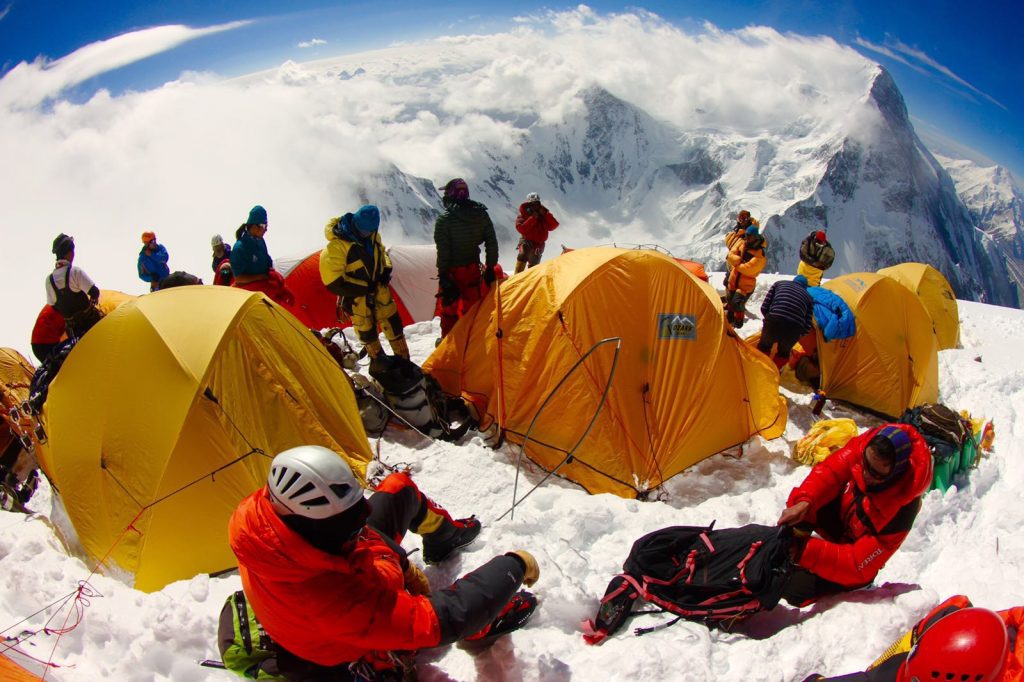
Whether you are heading into deep wilderness or setting up camp at a local national park, applying innovative approaches to gear, nutrition, and daily routines will radically elevate your outdoor experience.
1. Rethink Your Shelter Architecture and Camp Site Microclimates
Most campers choose a campsite based purely on visual appeal, often picking flat, open grassy areas. While scenic, these spots are frequently moisture traps that exposure you to high wind chill and morning dew.
To maximize comfort, analyze the microclimate of your prospective campsite before unpacking a single bag:
- Identify Thermal Belts: Air cools and settles in valleys and depressions during the night. Pitch your shelter on slightly elevated ground—often mid-slope—where air temperature stays noticeably warmer due to atmospheric inversion.
- Natural Windbreaks: Position your setup behind dense vegetation, rock faces, or natural topography rather than relying solely on your tent structure to fight strong gusts.
- Sun Tracking: Orient your sleeping area to catch the early morning sunlight. Natural light warms your shelter quickly, drying ambient condensation on your rainfly before you pack up.
Beyond placement, reconsider your traditional ground tent setup. Hammock camping systems with modular tarps offer superior air circulation and mobility in wooded environments, while minimalist bivy sacks paired with lightweight trekking-pole shelters offer unmatched speed and low pack weight for fast-moving expeditions.
2. Elevate Outdoor Culinary Systems Beyond Standard Camp Food
Eating well in the woods should not mean carrying heavy coolers packed with perishable ingredients or settling for bland, salt-heavy dehydrated meals. The secret to modern backcountry cooking lies in pre-expedition preparation and smart ingredient selection.
Pre-Dehydration and Custom Flavor Kits
Instead of buying expensive commercial ration packs, dehydrate homemade, nutrient-dense meals at home. Dishes with low-fat content—such as lentil stews, chili, and seasoned rice bases—rehydrate exceptionally well on the trail. Pack custom spice blends in small, lightweight pouches to transform simple carbs like quinoa or couscous into flavorful culinary experiences.
Efficient Fuel Management
Minimize fuel consumption by leveraging passive cooking methods. Bring water to a quick boil, mix in your dehydrated ingredients, seal your pot tightly inside an insulated thermal sleeve or cozy, and let the trapped heat finish the cooking process over fifteen minutes. This conserves stove fuel while preventing burnt food at the bottom of lightweight aluminum cookware.
3. Implement Advanced Environmental Adaptations for Deep Rest
A common complaint among outdoor enthusiasts is poor sleep quality. Rolling off an inflatable pad or waking up chilled at 3:00 AM degrades energy levels for the remainder of your journey. High-level comfort comes down to managing thermodynamics and physical alignment.
- Layering Underneath: Cold air underneath your body drains heat far faster than the air above you. Pay close attention to the R-value of your sleeping pad. In cooler weather, stack a closed-cell foam pad underneath an inflatable pad to create an impenetrable thermal barrier against the frozen ground.
- Active Moisture Control: Sleeping in damp clothing—even clothes damp from subtle sweat accumulated during the evening—causes rapid heat loss overnight. Dedicate one dry, breathable set of baselayers exclusively for sleep, and store them inside a waterproof dry sack throughout the day.
- Ergonomic Adjustments: Create a supportive pillow using your extra apparel stuffed into a soft fleece sack, rather than relying on flimsy inflatable options that slide around your sleeping bag during the night.
4. Optimize Gear Selection Through Multi-Functional Utilities
The weight on your back directly correlates with your overall stamina and enjoyment on the trail. Rather than packing specialized tools for every single scenario, curate a kit composed of items that perform multiple distinct functions.
- Trekking Poles as Structural Support: Utilize adjustable trekking poles as primary support poles for your tarp or lightweight tent, eliminating the need to carry dedicated aluminum tent poles.
- Buffs and Neck Gaiters: Use a simple microfiber gaiter as a sun neck shield, a pot holder for hot cookware, a pre-filter for turbid water before purification, or an eye mask for daylight resting.
- Hydration Systems: Replace rigid water bottles with flexible, collapsible bladders. They shrink as you consume water, saving internal pack volume and preventing liquid from sloshing while walking down steep inclines.
5. Cultivate Active Engagement and Mindful Environmental Stewardship
Getting the most out of your expedition involves cultivating a deeper relationship with the terrain you explore. Shift your focus from simply passing through nature to actively observing its systems.
Take time to learn basic local flora identification, map reading through contour lines rather than relying exclusively on GPS systems, and tracking local wildlife signs. Practicing rigorous Leave No Trace principles—such as packing out all organic waste, minimizing campfire impacts, and respecting wildlife boundaries—ensures these pristine environments remain wild and accessible for future generations.
Conclusion
A successful camping expedition is rarely defined by how much gear you bring; it is determined by how effectively you adapt to your environment. By understanding campsite microclimates, refining your backcountry food preparation, prioritizing true thermal sleep efficiency, and carrying multi-functional gear, you transform a standard outdoor trip into a rewarding, seamless adventure. Pack intentionally, respect the wild terrain, and approach every journey with a mindset of continuous learning.