
Thailand has long been a crown jewel of global tourism, but if the country is a crown, Phuket is undoubtedly its most radiant diamond. As the largest island in the kingdom, Phuket offers an extraordinary paradox: it is a place where high-octane nightlife meets serene spiritual retreats, and where rugged jungle terrain gives way to some of the most pristine white-sand beaches in Southeast Asia.
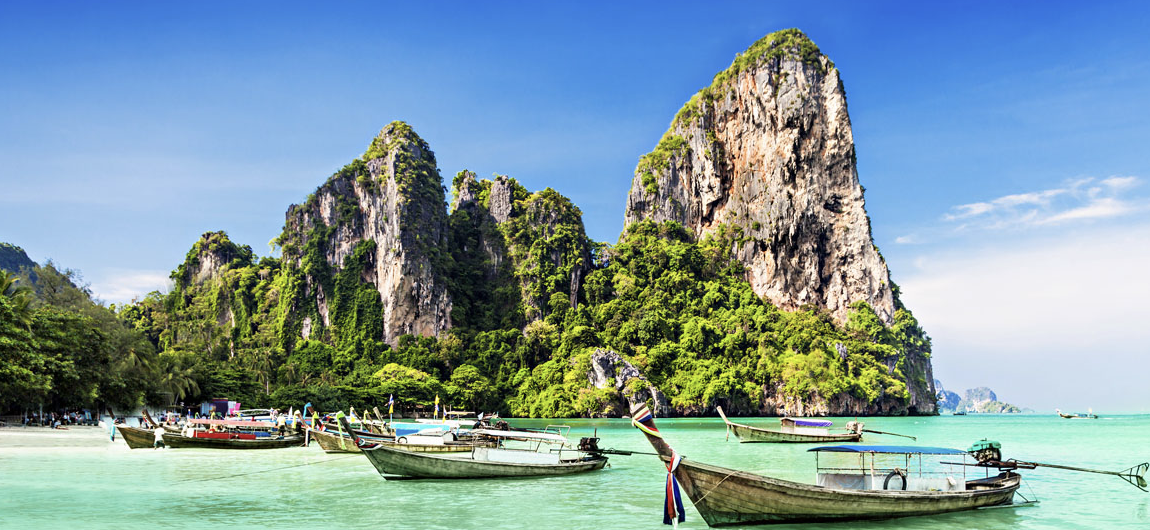
For decades, Phuket has topped the list of favorite travel destinations in Thailand. Its enduring popularity is not merely a result of its natural beauty, but its incredible ability to reinvent itself. Whether you are a luxury seeker, a budget backpacker, or a family on a seasonal holiday, Phuket has a corner specifically designed for you.
The Coastal Allure: A Beach for Every Mood
Phuket’s coastline is a diverse tapestry of over thirty beaches, each possessing its own unique personality. Understanding the geography of the island’s shores is the first step to planning a successful trip.
For those who thrive on energy and social interaction, Patong Beach is the epicenter. It is the island’s most famous stretch of sand, known for its vibrant atmosphere, water sports, and proximity to the legendary Bangla Road. However, if you move just a few kilometers north or south, the vibe shifts dramatically.
Kata and Karon Beaches offer a middle ground—beautiful, wide expanses of golden sand that are perfect for families and surfers. These areas provide a wealth of dining options and local markets without the overwhelming intensity of Patong. For the true serenity seeker, Nai Harn in the south or Bang Tao in the north provide a more secluded experience. Bang Tao, in particular, has become a hub for eco-luxury, featuring upscale resorts that integrate seamlessly with the surrounding lagoons and pine trees.
Beyond the Sand: The Cultural Charm of Old Phuket Town
While the beaches are the initial draw, the true soul of the island resides in Phuket Old Town. Located in the southeastern part of the island, this historic district is a sharp contrast to the resort-heavy coastlines.
Walking through the streets of Old Town is like stepping back into the 19th-century tin-mining boom. The architecture is a stunning example of the “Sino-Portuguese” style—brightly painted shophouses with intricate shutters and arched walkways. In recent years, these historic buildings have been transformed into artisanal coffee shops, boutique hotels, and contemporary art galleries.
The Sunday Walking Street Market on Thalang Road is an essential experience. Here, you can sample authentic Southern Thai cuisine, which is famously spicier and more pungent than the food found in Bangkok. From the turmeric-infused curries to the delicate “A-Pong” snacks, the culinary heritage of Phuket Town is a testament to the island’s melting pot of Chinese, Malay, and Thai influences.
Spiritual Landmarks and Breathtaking Viewpoints
Phuket’s landscape is dominated by lush hills that offer more than just a green backdrop; they house some of the island’s most significant landmarks.
Standing tall at 45 meters, the Big Buddha is visible from almost half the island. Sitting atop Nakkerd Hill, this massive white marble statue is not only a site of deep religious importance for locals but also offers the most comprehensive 360-degree view of Phuket. Looking down, you can see the sprawling Chalong Bay and the distant islands dotting the Andaman Sea.
Not far from the Big Buddha is Wat Chalong, the most important of Phuket’s 29 Buddhist temples. The temple is dedicated to two highly respected monks, Luang Pho Chaem and Luang Pho Chuang, who led the citizens of Chalong sub-district against the Chinese rebellion in 1876. The intricate carvings, the shimmering gold leaf, and the peaceful gardens provide a space for quiet reflection amidst the island’s busy itinerary.
The Island Hopper’s Paradise
Phuket serves as the perfect springboard for exploring the wonders of the Andaman Sea. Some of the most “extraordinary” sights in the world are located just a short boat ride away.
- Phang Nga Bay: Famous for “James Bond Island,” this bay is a labyrinth of sheer limestone karsts that emerald waters have eroded over millennia. The best way to explore is by sea canoe, which allows you to enter “hongs” (hidden lagoons inside the caves).
- The Phi Phi Islands: Though technically part of Krabi province, they are easily accessible from Phuket. Despite their fame, the turquoise waters of Maya Bay and the vibrant marine life at Bamboo Island remain a bucket-list experience for any traveler.
- Similan Islands: For diving and snorkeling enthusiasts, a day trip to the Similan Islands (open from October to May) offers some of the clearest water and most diverse coral reefs in the world.
Practical Tips for Your Phuket Adventure
To ensure your trip is as smooth as possible, keep these local insights in mind:
- Seasonality: The “high season” runs from November to April, offering calm seas and sunny skies. The “green season” (May to October) brings occasional rain but also lower prices and fewer crowds.
- Transportation: While “Tuk-Tuks” are iconic, they can be expensive in Phuket. Consider using ride-hailing apps like Grab or Bolt, or rent a scooter if you are an experienced and licensed rider.
- Respect Local Customs: When visiting temples, ensure your shoulders and knees are covered. It is a small gesture that goes a long way in showing respect to the Thai people.
Conclusion
Phuket is a destination that refuses to be categorized. It is a place of high-end indulgence and raw, natural beauty; a hub of modern convenience and ancient tradition. Its enduring status as Thailand’s favorite island is earned through its versatility. Whether you find yourself watching the sunset at Promthep Cape or enjoying a bowl of spicy noodles in a colonial shophouse, Phuket has a way of making every traveler feel like they have found their own personal paradise.
Would you like me to help you draft a specific 5-day itinerary for Phuket that focuses on either family-friendly activities or a romantic luxury getaway?