
Traveling alone is often portrayed either as an act of extreme bravery or a lonely endeavor reserved for the hyper-independent. In reality, modern solo travel is neither a dangerous gamble nor an isolating experience. It is a intentional practice of self-reliance, cultural immersion, and personal freedom. Stepping into a foreign environment without the comforting mirror of familiar companions forces a profound shift in how you interact with the world around you.
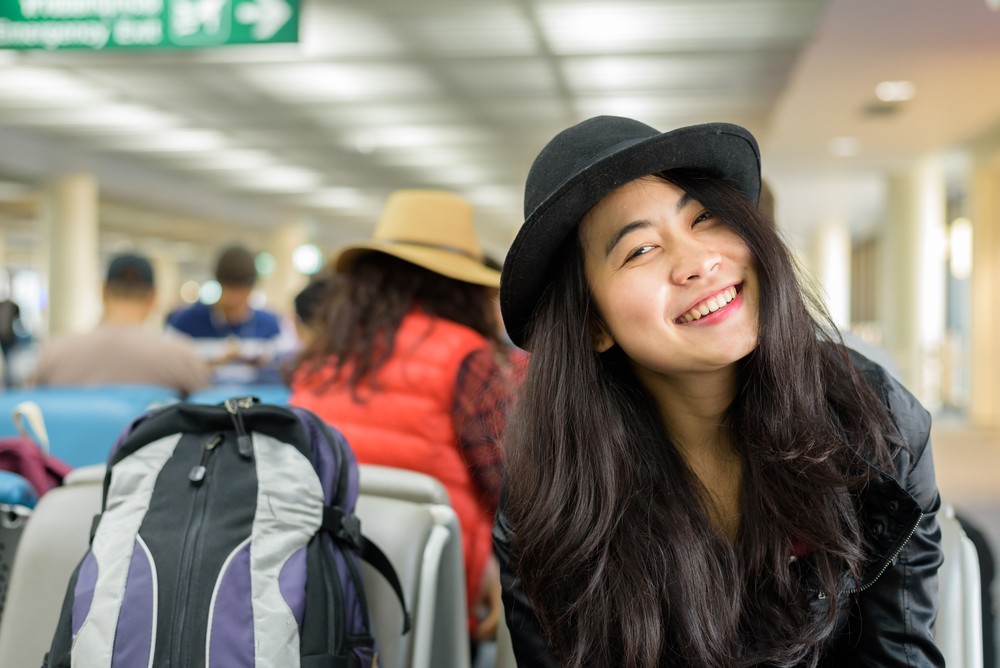
When you strip away the compromises inherent in group travel, a trip ceases to be just a checklist of tourist sights. It becomes an active exercise in decision-making, resilience, and authentic connection.
1. The Ultimate Autonomy: Reclaiming Complete Control of Your Time
The most immediate benefit of solo travel is absolute freedom over your itinerary. Group dynamics inevitably require compromise—balancing different budgets, energy levels, sleep schedules, and dining preferences.
Traveling alone restores total ownership of your daily routine:
- Spontaneous Pivots: If you stumble upon a hidden neighborhood, an intriguing local market, or a quiet cafe, you can spend hours there without checking if anyone else is bored or tired.
- Energy Management: You operate strictly on your natural internal clock. If you want to wake up at dawn to capture early morning light or sleep in until noon after a long journey, there is no guilt or negotiation involved.
- Pure Personal Interest: You can tailor your daily activities entirely to your niche passions, whether that means browsing obscure record shops, visiting specialized museums, or spending an entire afternoon sitting on a park bench reading.
2. Breaking the Bubble: How Solitude Fosters Authentic Connection
A common misconception is that traveling alone leads to loneliness. In practice, solo travelers often form more meaningful, spontaneous connections than couples or groups.
When you travel with others, you carry a social bubble with you. You default to speaking your native language and turn inward for companionship, which can make you appear inaccessible to locals and fellow travelers.
By contrast, an individual sitting alone presents an open door. Local residents are far more likely to strike up a conversation, offer directions, or share insider recommendations with a solo guest. Furthermore, staying in social accommodation setups, joining group walking tours, or enrolling in local cooking classes allows you to connect effortlessly with like-minded adventurers from across the globe. You are rarely truly alone unless you actively choose to be.
3. Developing Mental Resilience and Intuitive Self-Trust
Navigating unfamiliar transit systems, deciphering foreign languages, and resolving unexpected flight delays completely independently builds a unique form of confidence that cannot be replicated in daily routine.
When a problem arises on the road—a missed train, a lost reservation, or a minor language barrier—there is no one else to defer to. You must evaluate the situation, weigh your options, and execute a solution. Each successfully navigated challenge acts as evidence of your capability. Over time, this process systematically reduces travel anxiety and transforms your self-perception. You return home not just with souvenirs, but with deep trust in your own judgment and problem-solving abilities.
4. Practical Frameworks for a Safe and Seamless Solo Trip
While solo travel is deeply rewarding, executing a successful solo journey requires deliberate preparation and practical awareness.
Establish Smart Safety Protocols
Prioritize situational awareness over fear. Keep digital and physical backups of key identification documents stored separately. Share your live location or daily itinerary with a trusted friend or family member back home, and establish check-in intervals. When arriving in a new city, aim to land during daylight hours to navigate transit and check-ins comfortably.
Master the Art of Dining Alone
The initial anxiety of eating alone in a busy restaurant is a hurdle almost every solo traveler faces. To ease into the experience, start with counter-service spots, bustling street food markets, or casual cafes. If sitting at a standard table feels awkward, bring a book, journal, or map. You will quickly realize that diner surroundings are far less focused on you than you assume.
Pack Minimalist and Modular
When you travel alone, you carry every pound of your luggage yourself—up station stairs, over cobblestone streets, and onto public buses. Packing light in a single carry-on bag or ergonomic backpack ensures maximum mobility, reduces physical strain, and eliminates the stress of lost checked baggage.
5. Cultivating Mindfulness and Deep Self-Reflection
Modern daily life is saturated with external noise, work obligations, and digital notifications. Traveling alone provides rare extended periods of unstructured time where you can process thoughts without immediate distraction.
Without the need to entertain or react to a companion, your sensory perception heightens. You observe architectural details, notice subtle cultural nuances, and experience landscapes with greater clarity. Long train rides, quiet meals, and solitary walks become spaces for natural self-reflection, helping you clarify long-term goals and return to your routine with a renewed perspective.
Conclusion
Traveling alone is far more than a trend; it is an enriching path to personal growth and unmediated exploration. By relinquishing the security of group travel, you open yourself up to unexpected encounters, heightened self-awareness, and absolute freedom over your journey. While taking that first solo step past your comfort zone requires a brief moment of courage, the confidence, clarity, and memories gained on the road will pay dividends for the rest of your life.